
Our Trusted Suppliers








Synthetic turf systems rely on engineered base layers and drainage to provide a stable, permeable surface that resists movement and water buildup.
Situation Definition
Synthetic turf failures stem from poor base preparation and inadequate drainage. Symptoms include seam separation, surface rippling, and water pooling.
Correct Professional Approach
Professional turf installations prioritize sub-base design, compaction, and drainage integration before turf selection. Edge restraint and transitions are planned early.
Synthetic turf performance relies on proper subsurface preparation. Drainage systems beneath synthetic turf allow water to move away from the surface and prevent pooling or base failure.
Installation stability depends on material selection. Edge restraint and base materials maintain surface alignment and extend the usable life of turf systems.
Water management must also be considered around turf installations. Irrigation considerations near synthetic turf help prevent overspray, saturation, and uneven moisture conditions.
System & Product Categories
- Turf styles and pile height
- Base materials and compaction layers
- Drainage integration
- Edge restraint systems
Common Mistakes to Avoid (What Causes Failure)
- Installing turf over uncompacted or organic subgrades
- Skipping subsurface drainage where soils are slow-draining
- Inadequate edge restraint depth

Controllers & Timers
Wide selection of irrigation controllers and timers engineered for dependable scheduling and automated system management.
Smart Controllers
Smart controllers that adapt watering schedules based on local conditions. Ideal for efficiency upgrades.
Valves & Manifolds
Electric and manual valves, manifolds, and accessories built for reliable and easy installation across system sizes.
Common applications
- Residential zones
- Commercial sites
- Retrofit/repairs
- New installs
What AGC helps you validate
- Pressure/flow
- Head selection
- Pipe sizing
- Wiring/controls compatibility
- Drainage slope considerations, etc

Need Technical support?
Synthetic Turf FAQs
Why does synthetic turf develop wrinkles or ripples?
Base movement, inadequate compaction, or poor seam/edge anchoring are common causes. Proper base prep and restraint prevent surface shifting.
Do I need drainage under synthetic turf?
In most cases, yes. Turf performance depends on moving water through HTML the base. Subsurface drainage may be required when soils drain poorly or the site collects runoff.
What base material is most important?
A stable, compactable base that drains consistently is key. The exact aggregate blend depends on soil conditions, use case, and grading constraints.
Why do seams separate over time?
Weak seam prep, adhesive issues, movement in the base, or insufficient curing conditions can cause separation. Seam integrity depends on both materials and installation discipline.
Can I install turf over existing soil or grass?
It’s not recommended. Organic layers decompose and shift, causing depressions and drainage problems. Remove organics and build a stable base.
Contractor System Support
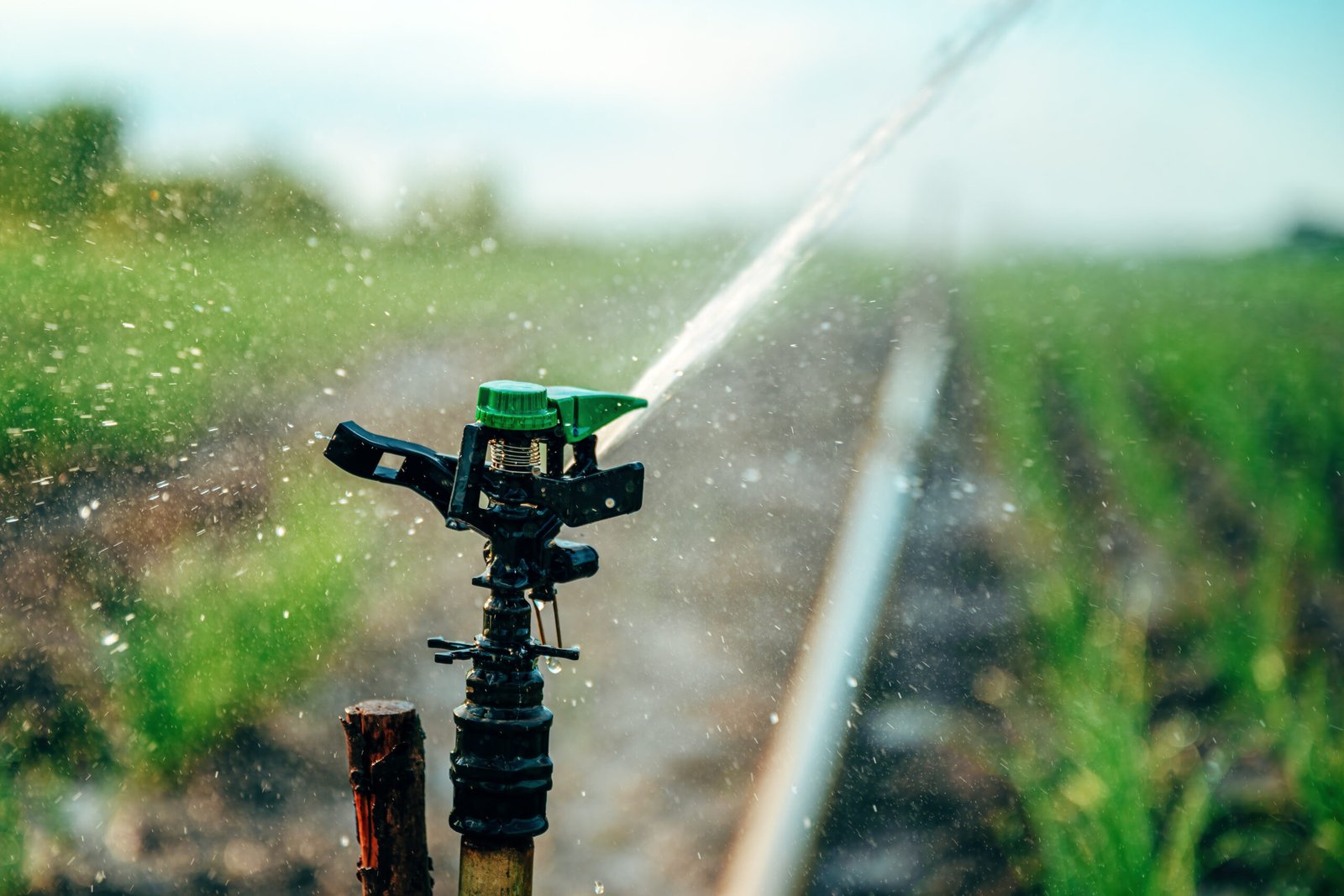
System Design
Support
We will support your layout planning, component selection, zoning logic to help ensure systems are built correctly from the start.
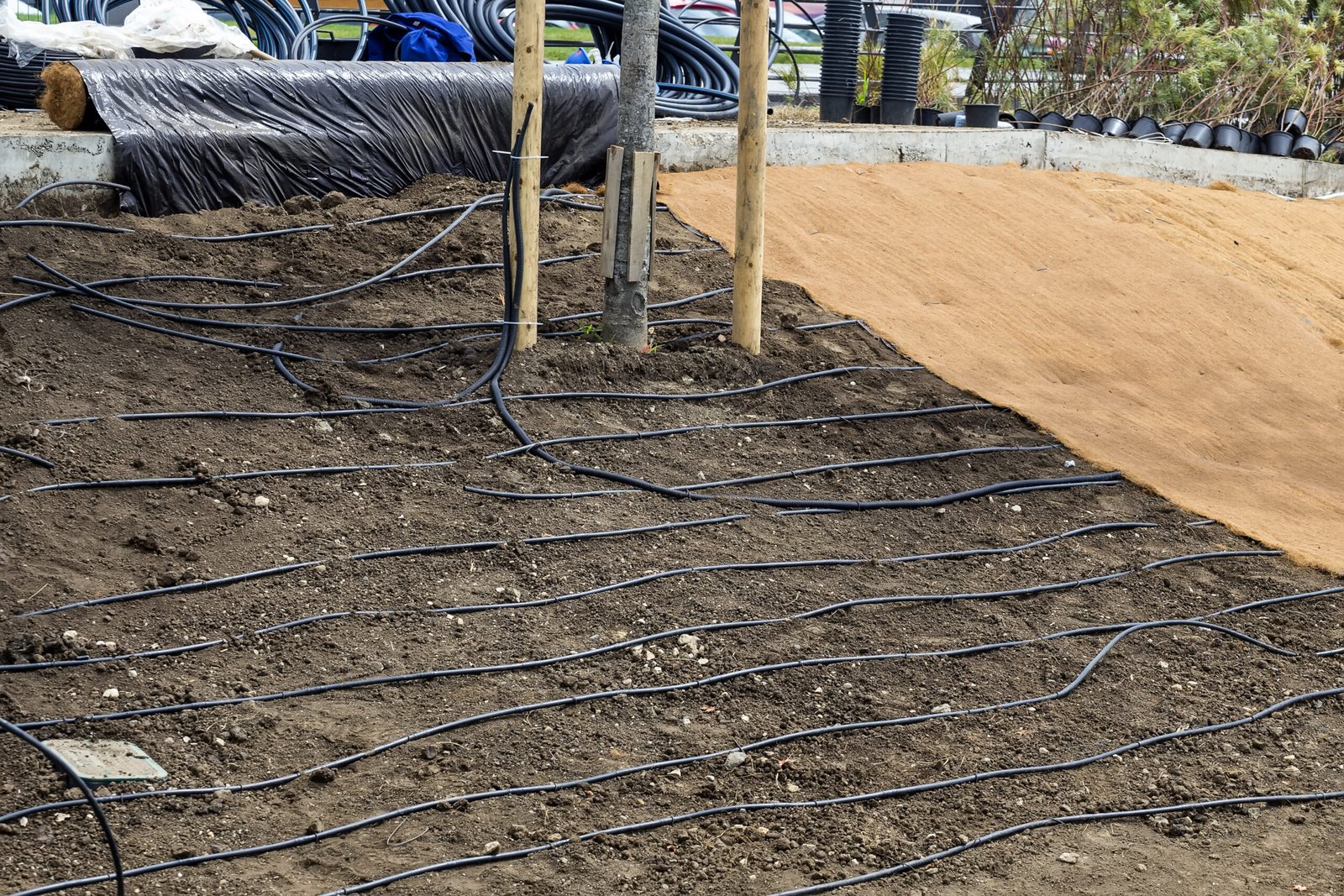
Material Planning &
Takeoffs
We will help you identify required quantities, compatible components, and substitutions when needed to keep projects moving efficiently.
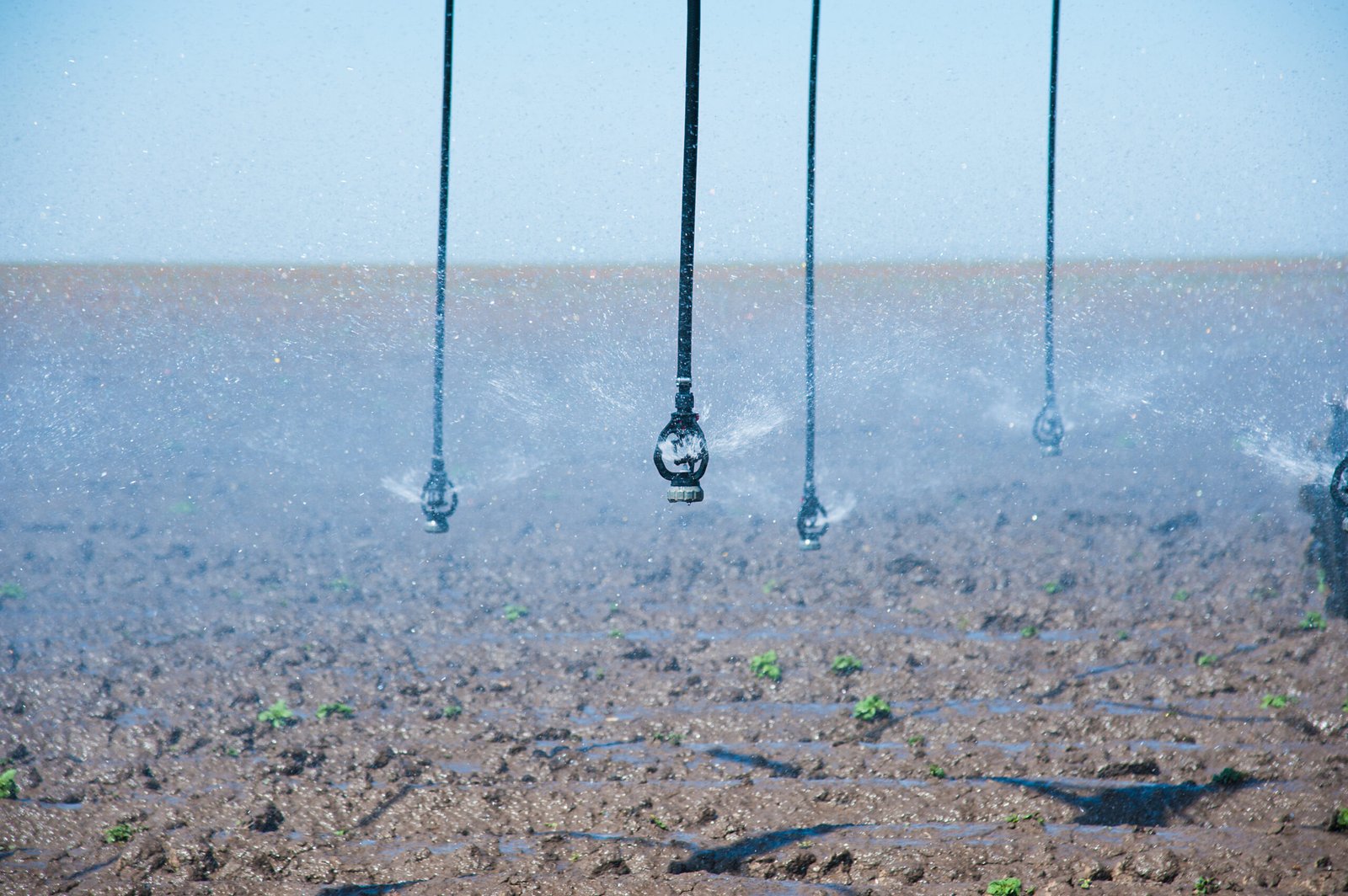
Product & System
Training
Hands-on product and system training to help contractors and teams stay current with irrigation technology to better your business and growth.