

Our Trusted Suppliers








Landscape irrigation is the controlled delivery of water at specific rates and pressures to match plant demand while minimizing waste, runoff, and component wear.
Situation Definition
Irrigation systems fail when pressure, flow, and zoning are treated as afterthoughts. Common results include uneven coverage, excessive runoff, premature component wear, and wasted water.
Correct Professional Approach
Experienced contractors begin with site conditions, available pressure, flow rate, and plant requirements. Zones are separated by hydraulic demand, pressure is regulated before distribution, and components are selected for compatibility—not convenience.
Irrigation performance depends on how excess water is managed across the site. Drainage systems that protect irrigation performance help prevent soil saturation, runoff, and uneven water distribution.
System reliability also depends on proper component selection. Compatible landscape materials for irrigation installations including filters, emitters, pipe, and fabric support long-term system efficiency.
System & Product Categories
- Controllers and smart control platforms
- Valves and pressure regulation
- Spray heads, rotors, and drip irrigation
- Filtration and backflow considerations
Common Mistakes to Avoid (What Causes Failure)
- Mixing components with different precipitation rates
- Skipping pressure regulation at the zone or valve
- Designing zones that exceed available flow

Controllers & Timers
Wide selection of irrigation controllers and timers engineered for dependable scheduling and automated system management.
Smart Controllers
Smart controllers that adapt watering schedules based on local conditions. Ideal for efficiency upgrades.
Valves & Manifolds
Electric and manual valves, manifolds, and accessories built for reliable and easy installation across system sizes.
Backflow & Regulation
Backflow preventers and pressure regulation components designed to protect water and maintain proper pressure.
Pipe & Fittings
PVC and polyethylene pipe plus a complete range of fittings, selected for durability.
Rotors
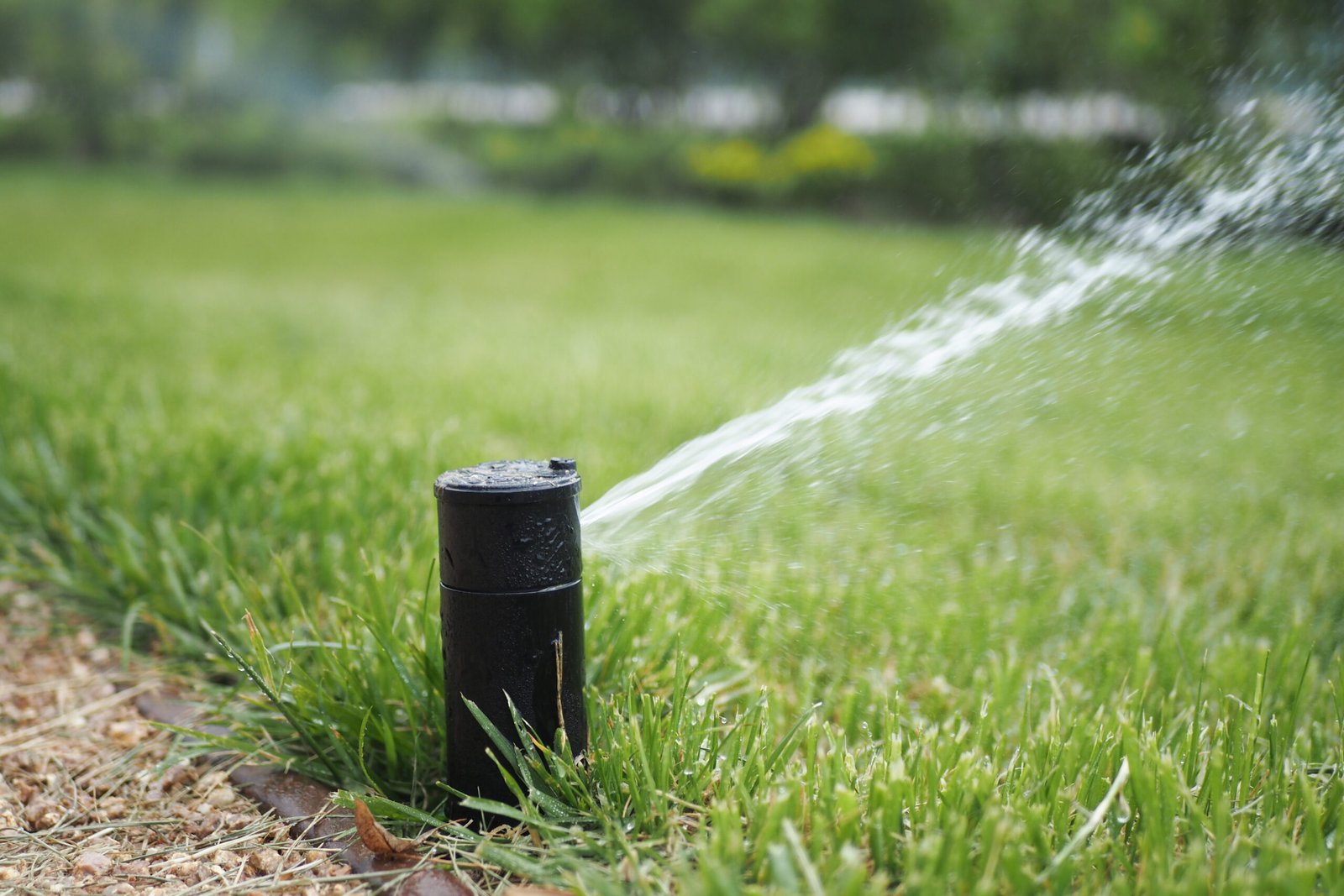
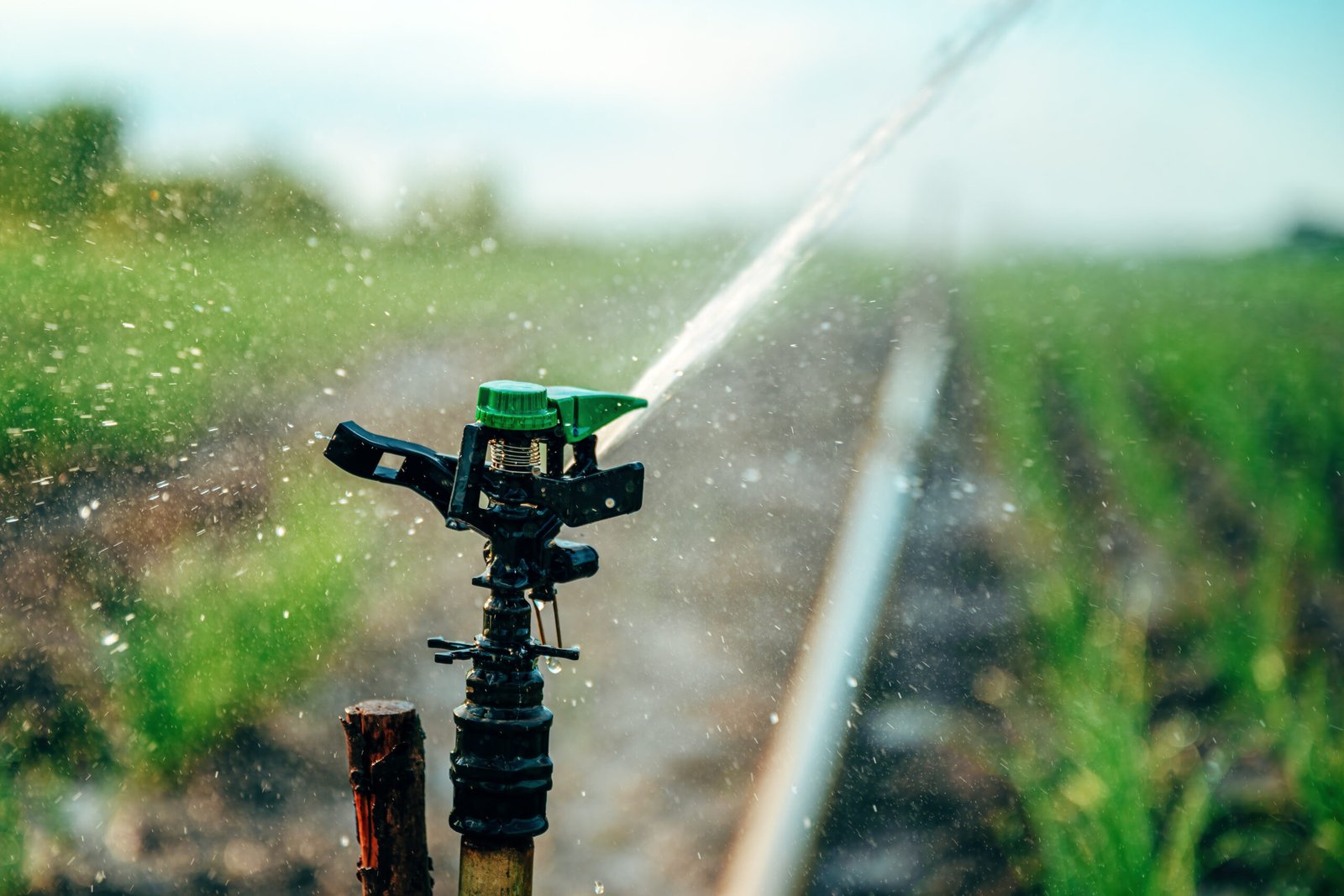
Rotors designed for medium to large radius coverage, with consistent precipitation rates and durable construction.
Sprays & Nozzles
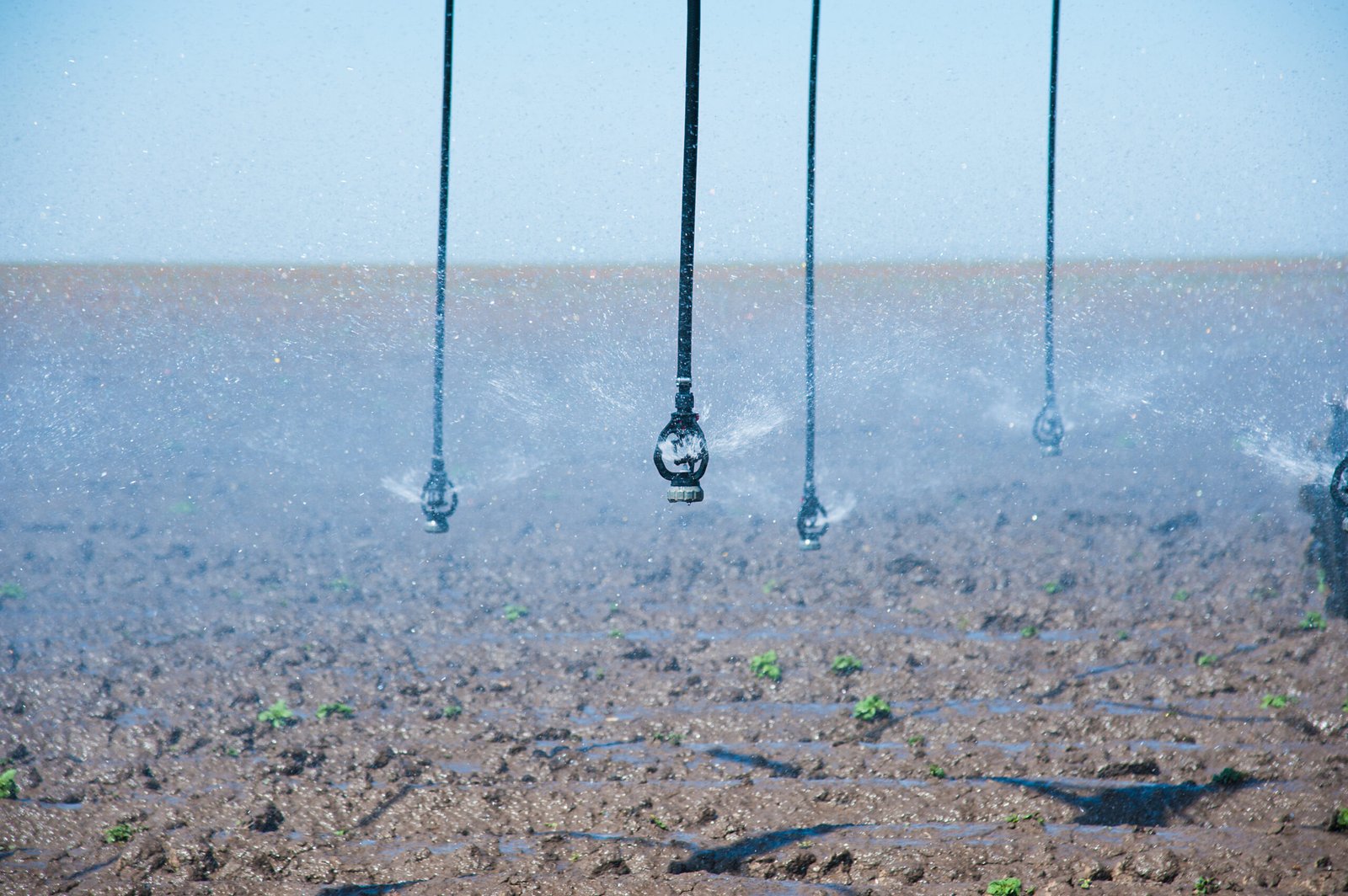
Sprays and nozzles for tight radius coverage and uniform distribution. Includes fixed and adjustable spray patterns to match requirements.
Drip Irrigation
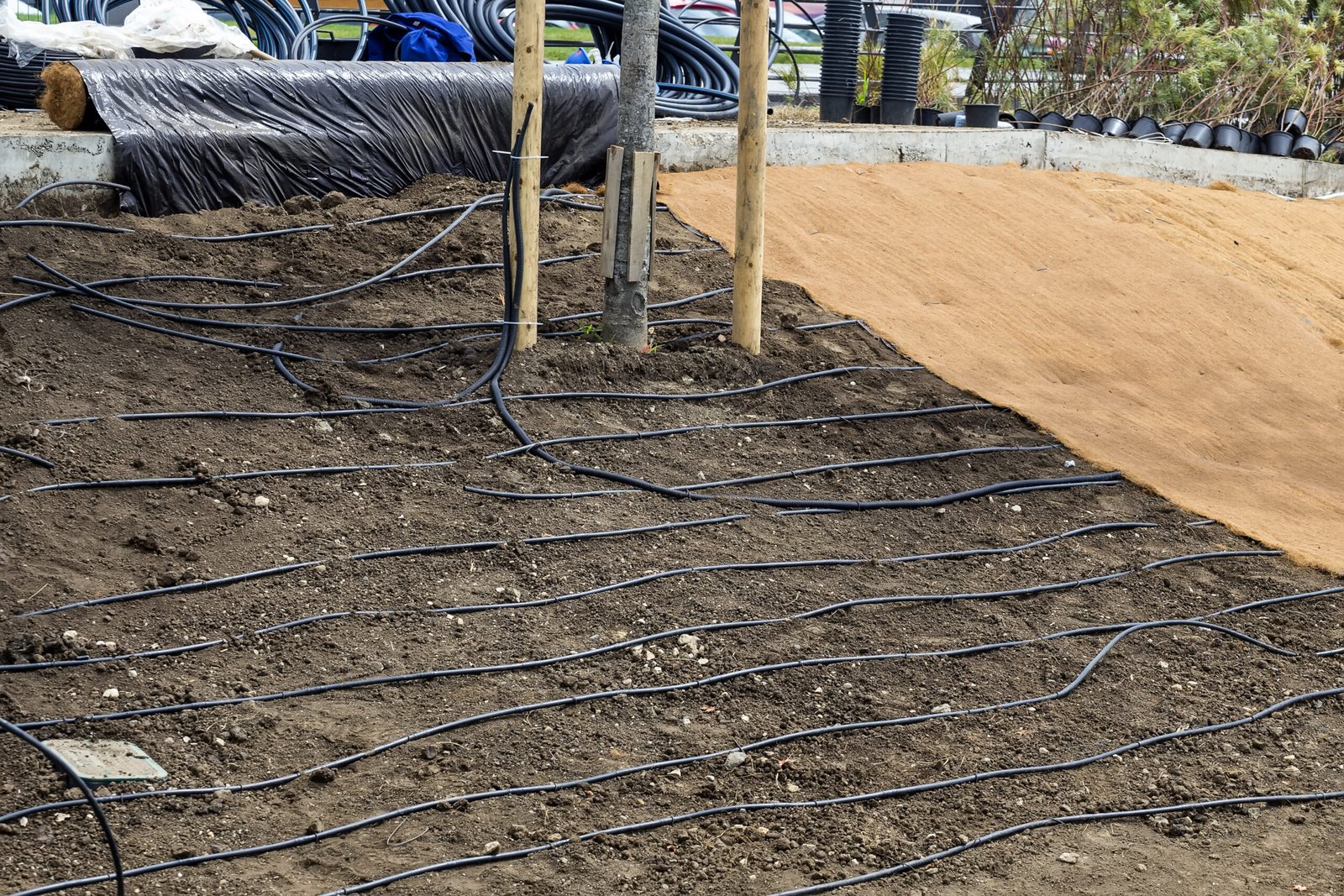
Complete range of drip tubing, emitters, fittings, filtration, and pressure regulators to deliver water directly to root zones with minimal waste.
Wires & Connectors
Irrigation-rated wiring, waterproof connectors, and grounding components.
Sensors (Rain & Flow)
Rain, flow, and soil sensors that help prevent irrigation over-watering and detect system anomalies.
Common applications
- Residential zones
- Commercial sites
- Retrofit/repairs
- New installs
What AGC helps you validate
- Pressure/flow
- Head selection
- Pipe sizing
- Wiring/controls compatibility
- Drainage slope considerations, etc
Need Technical support?
Irrigation FAQs
How do I know if my irrigation system has enough pressure and flow?
Start with a static and dynamic pressure test at the source and confirm available flow (GPM) while maintaining usable pressure. Zone demand must stay below available flow, and pressure must be regulated to match the heads or drip components used.
Why do some zones mist or fog while others don’t?
Misting usually indicates excessive pressure at the head. Pressure regulation at the valve or zone level is often required, especially when mixed head types or elevation changes are involved.
Can I mix rotors, sprays, and drip on the same zone?
It’s not recommended. These components require different precipitation rates and operating pressures. Mixing them typically causes uneven coverage and inefficient watering.
What’s the most common cause of uneven coverage?
Incorrect head spacing, wrong nozzle selection, and pressure loss from undersized piping or excessive zone demand. Coverage issues are often hydraulic, not just “bad heads.”
Do I need filtration for drip irrigation?
In most cases, yes. Drip emitters are sensitive to debris. Filtration, proper flushing, and pressure regulation are key to preventing clogging and premature failure.
Contractor System Support
System Design
Support
We will support your layout planning, component selection, zoning logic to help ensure systems are built correctly from the start.
Material Planning &
Takeoffs
We will help you identify required quantities, compatible components, and substitutions when needed to keep projects moving efficiently.
Product & System
Training
Hands-on product and system training to help contractors and teams stay current with irrigation technology to better your business and growth.