

Our Trusted Suppliers











Low-voltage landscape lighting is the planned distribution of electrical load across fixtures and wire runs to maintain consistent voltage and long-term reliability.
Situation Definition
Landscape lighting failures are usually electrical, not aesthetic. Voltage drop, overloaded transformers, and improper wire sizing lead to dim fixtures and early system failure.
Correct Professional Approach
Professionals calculate total load, run length, and voltage drop before fixture placement. Wiring methods are selected to maintain consistent voltage, and transformers are sized for both current demand and future expansion.
Lighting installation often overlaps with other underground systems. Coordinating lighting and irrigation trenching reduces line conflicts, accidental damage, and future maintenance issues.
System durability depends on protective materials. Materials that protect underground wiring such as conduit, edging, and sleeves help preserve electrical integrity.
System & Product Categories
- Transformers and load zones
- LED fixtures and beam patterns
- Wire gauge and connection methods
- Timers, photocells, and controls
Common Mistakes to Avoid (What Causes Failure)
- Overloading a single transformer zone
- Using wire gauge based on guesswork
- Ignoring voltage drop on long runs

Controllers & Timers
Wide selection of irrigation controllers and timers engineered for dependable scheduling and automated system management.
Smart Controllers
Smart controllers that adapt watering schedules based on local conditions. Ideal for efficiency upgrades.
Valves & Manifolds
Electric and manual valves, manifolds, and accessories built for reliable and easy installation across system sizes.
Common applications
- Residential zones
- Commercial sites
- Retrofit/repairs
- New installs
What AGC helps you validate
- Pressure/flow
- Head selection
- Pipe sizing
- Wiring/controls compatibility
- Drainage slope considerations, etc

Need Technical support?
Landscape Lighting FAQs
Why are some fixtures dimmer than others on the same run?
Voltage drop is the most common cause. Long wire runs, undersized wire gauge, and too many fixtures on one run reduce voltage at the far end.
How do I size a transformer correctly?
Add the wattage of all fixtures on each run, then size the transformer with headroom for efficiency and future expansion. Overloading a transformer shortens lifespan and reduces output stability.
What wire gauge should I use for landscape lighting?
Wire gauge depends on run length and total wattage. Longer runs and higher loads require larger wire to reduce voltage drop. Planning by calculation prevents trial-and-error.
Is a daisy-chain wiring method okay?
It can be, but it’s often the worst-case scenario for voltage drop on longer runs. Professionals frequently use hub, loop, or multiple home runs depending on layout and load.
Why do connections fail underground?
Moisture intrusion and poor splices are common. Use direct-burial rated connectors and protect splices from water entry and movement.
Contractor System Support
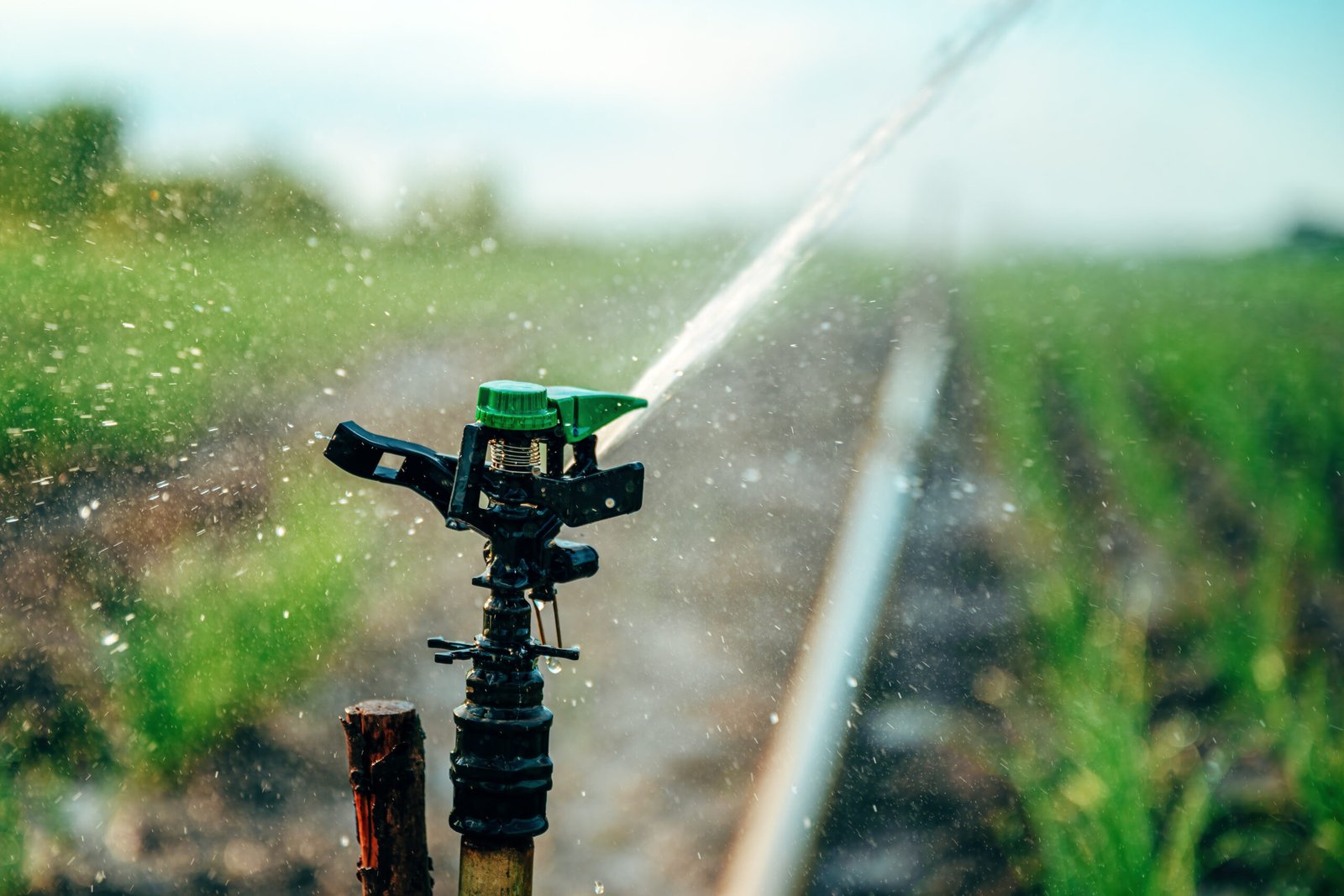
System Design
Support
We will support your layout planning, component selection, zoning logic to help ensure systems are built correctly from the start.
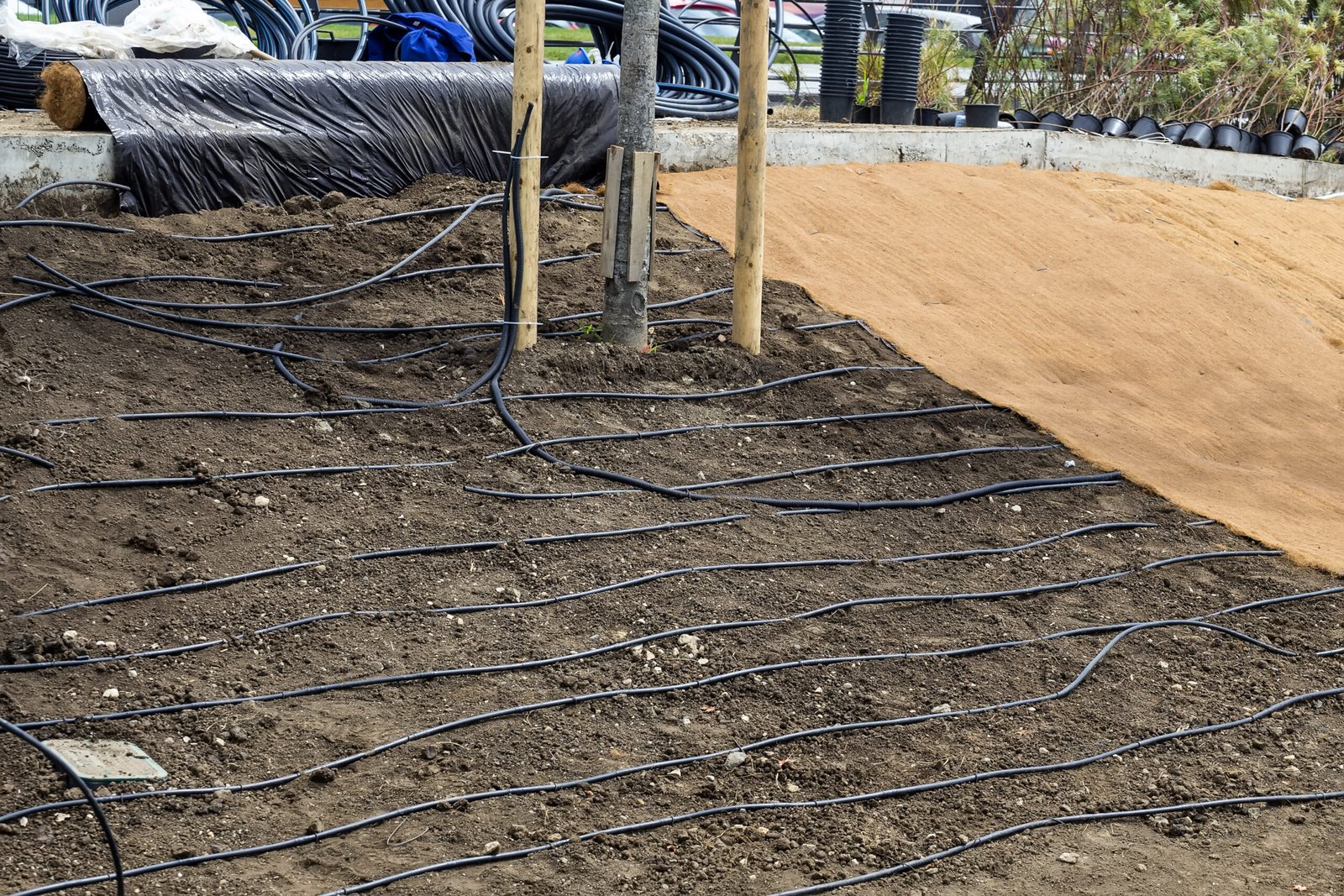
Material Planning &
Takeoffs
We will help you identify required quantities, compatible components, and substitutions when needed to keep projects moving efficiently.
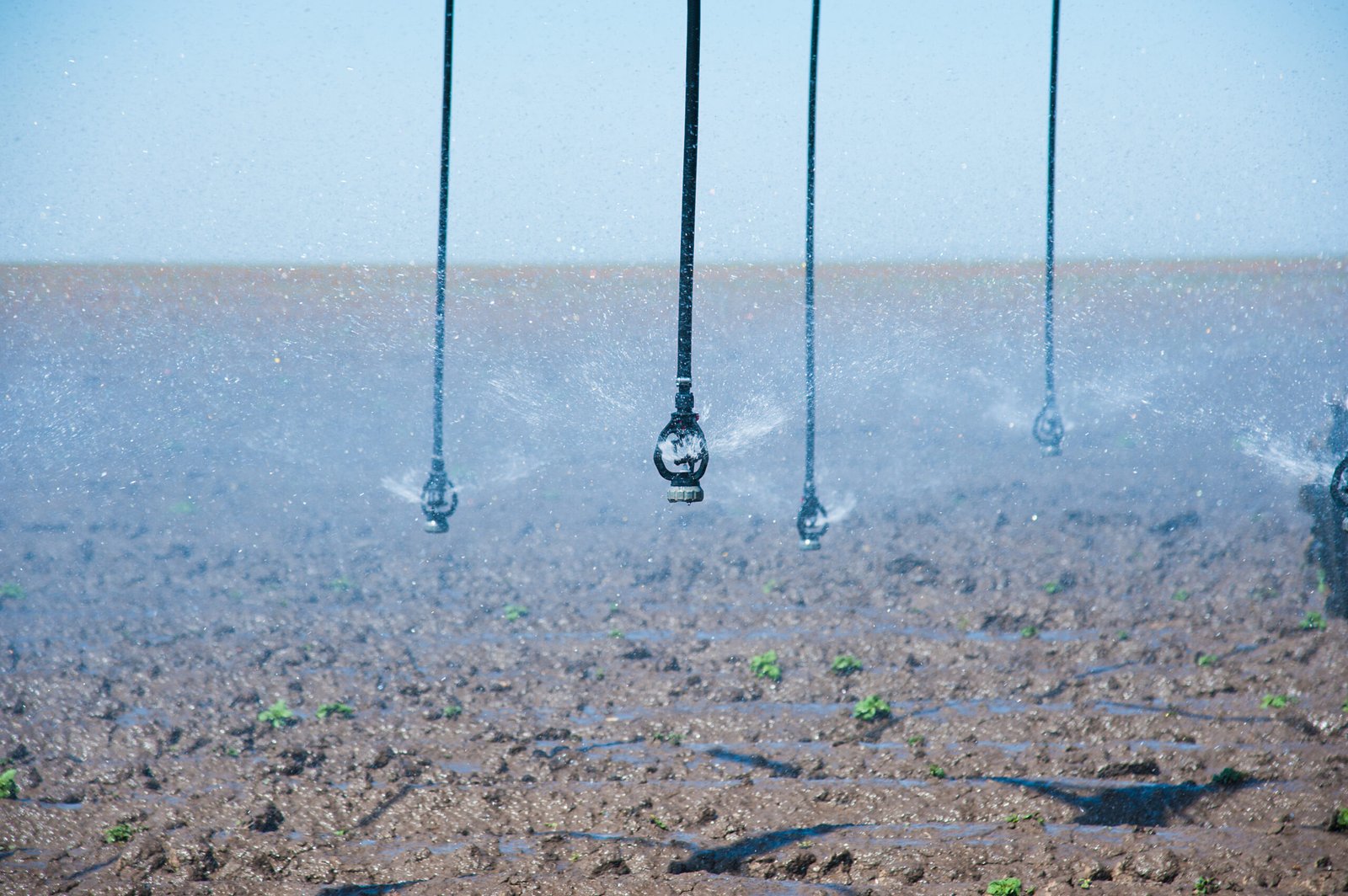
Product & System
Training
Hands-on product and system training to help contractors and teams stay current with irrigation technology to better your business and growth.